
Posts by Team
Strength training for young people
“You never see an oak tree with huge branches and a tiny trunk”
 Kathryn “Wiggs” Catto on a last week’s level 1 coaching strength and conditioning for sport course.
This was her way of describing to young teenage boys the necessity of developing strength in a safe and progressive manner.
Read MoreIce Baths- Giving muscle soreness the cold shoulder?

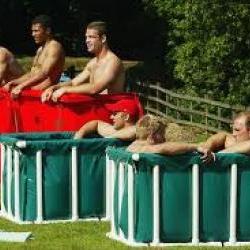
What is the current thinking on Ice Baths?
Success in sports depends on an athlete’s ability to perform functional movements, such as running, jumping or changing direction, to a high level on a daily basis. However, the fatiguing effect of high intensity competition and training experienced by elite athletes can reduce the quality of performance.
Planning your Training: Periodisation for Young Athletes
What is Periodisation?
Periodisation is the term given to the practice of breaking down an athlete’s conditioning plan into specific phases of training.
Read More30 years of strength training
45 today!
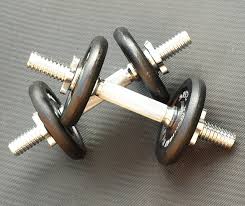 I first started strength training when I was 15 years old. My Dad had given me his old power bar and I started using that in my bedroom doing curls, presses and squats. I had no idea what I was doing, but I was doing something. I worked at my part time jobs for six months to save up for a set of plastic spinlock dumbbells and a flimsy bench with bar rack.
Sabre fencing camp
Sabre camp
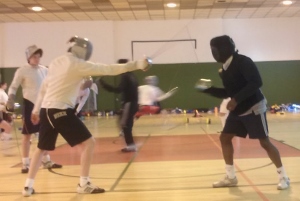 It was good to be back on the James and Ian Williams’ sabre camp in Grantham, working with very experienced coaches, Army PTIs and an excellent physiologist (Leo Faulmann).
The Importance of Posture
What is posture?
 ‘Good posture is the state of muscular and skeletal balance which protects the supporting structures of the body against injury or progressive deformity irrespective of the attitude in which these structures are working or resting.’ (1)
Pre-season speed training
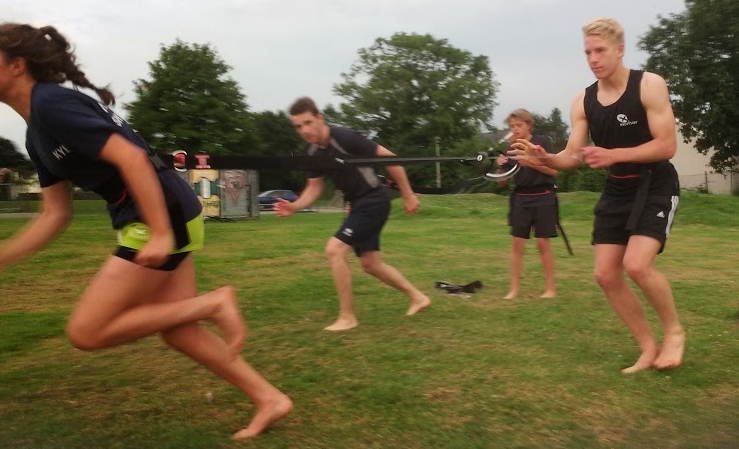
“Don’t run the speed out of you”
Speed kills, and every coach wants a faster team. The best way to get a faster team is to recruit faster players. Failing that, get your existing players to run faster.
Your team needs to be able to run fast at the end of each half, not to be able to jog aimlessly. around.Traditionally pre-season training has started with long slow runs and then worked towards trying to get faster.
Read MoreIs the juice worth the squeeze? Strength & conditioning quotes

4 steps to get more agile in pre-season.
Its better to run round people than through them.
 The ability to run “through spaces not faces” is very important in most field/court sports. You want to be agile enough to:
- Avoid being tackled
- Be able to get into position to stop your opponent
- Get to the ball.
Is your pre-season agility training helping you achieve this?
Read More“The true Art to what, how and why we do”: Jim Radcliffe
What it takes to be a successful strength and conditioning coach.
“People in support positions should be seen and not heard”
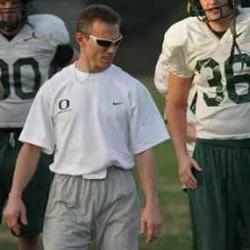 Jim Radcliffe at the beginning of his presentation on successful S&C coaching.