
Blog
Strength and conditioning coaching
“Lost in Transition”
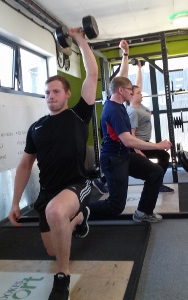 was the motto of the recent Level 2 strength and conditioning course I ran at Oxford Brookes University (The coaches were kept busy going from venue to venue and task to task, we lost a few on the way sometimes!).
How to practice: should we teach this first?
“Rather than teach what to practice, I should start with how to practice”
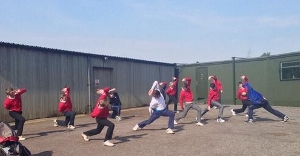 This was the lesson I learnt from working with golf coach John Jacobs on a recent training day.
John had set up a simple pitching task for the 10 golfers: they had to try and pitch 10 balls into some different spaces he had marked out with cones.
Read MoreBeware the Volume Trap
 How to improve performance
If you are a beginner exerciser then one of the best ways to improve performance is to increase volume.
If you are training for 20 minutes every day a week, or for 45 minutes twice a week, then increasing to 45 minutes 6 times a week will lead to performance improvements.
Read More4 reasons why conditioning coaches hamper athletic development.
Walk before you run, sports nutrition guide: Andrew Hamilton
A good way to develop a successful nutrition strategy is to think in terms of a ‘hierarchy of nutritional needs’. You can think of this as a pyramid, with the widest layer at the base representing the most fundamental dietary needs and successive layers above representing progressively more specialised needs.
Read MoreHow to acquire skill in strength and conditioning
“Skill learning isn’t just skill learning, it’s preparation”
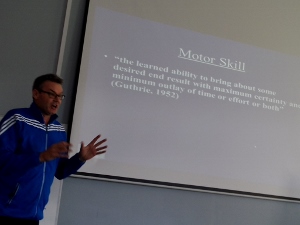 John Brierley in his skill acquisition lecture on our level 3 coaching strength and conditioning for sport course.
Ever see the 5 sets of 5 programme for squats, power cleans and bench press? Dull as dishwater!
Read MoreHow to get fit for handball pt 2
When planning the ideal training schedule of a Handball team, I would probably include 2 or 3 team technical/tactical sessions, a couple of gym based strength sessions and a court based agility or speed session.
Read MoreThe ultimate guide to warm ups
Why do you Warm up?
To prepare your body and mind for the activity to follow.
If you have a “routine” that you follow day in day out, it bcomes just that…routine. Your mind switches off, your body has adapted too well, and any benefits are lost.
Read MoreGetting teenagers to take control of their sport preparation
“I don’t have a warm up routine”
 was the quote of the day from a 16 year old experienced competitor on our Athlete Support Day on Monday.
Another young athlete I work with was a bundle of nerves before a recent competition. I am trying hard to get these young people to establish a warm up routine that is regular, specific and gives them confidence.
Read MoreMovement Patterns
Adapted or adaptable athletes?
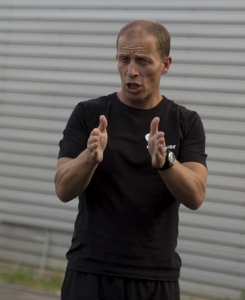 I had the chance over the last few days to look at different people of various ages and sporting backgrounds trying to learn new exericses.