
Blog
How to make Pre-Season Training Interesting, Relevant and More Fun
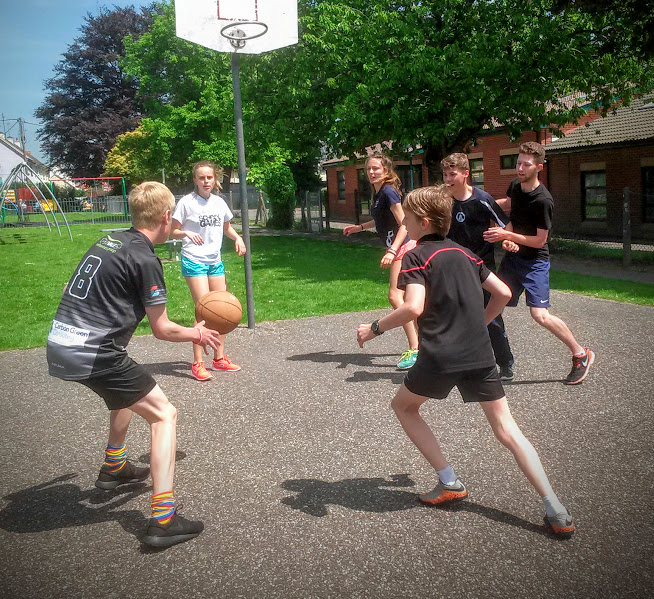
I Hate Pre-Season Training
This is often the thought of players who are forced to undergo various fitness tests and long slow runs as part of a pre-season fitness programme.
Doing repeated doggies, shuttle runs and various circuits, with barely a ball in sight is enough to put most players off.
It doesn’t have to be this way.
Read MoreLTAD: building young people
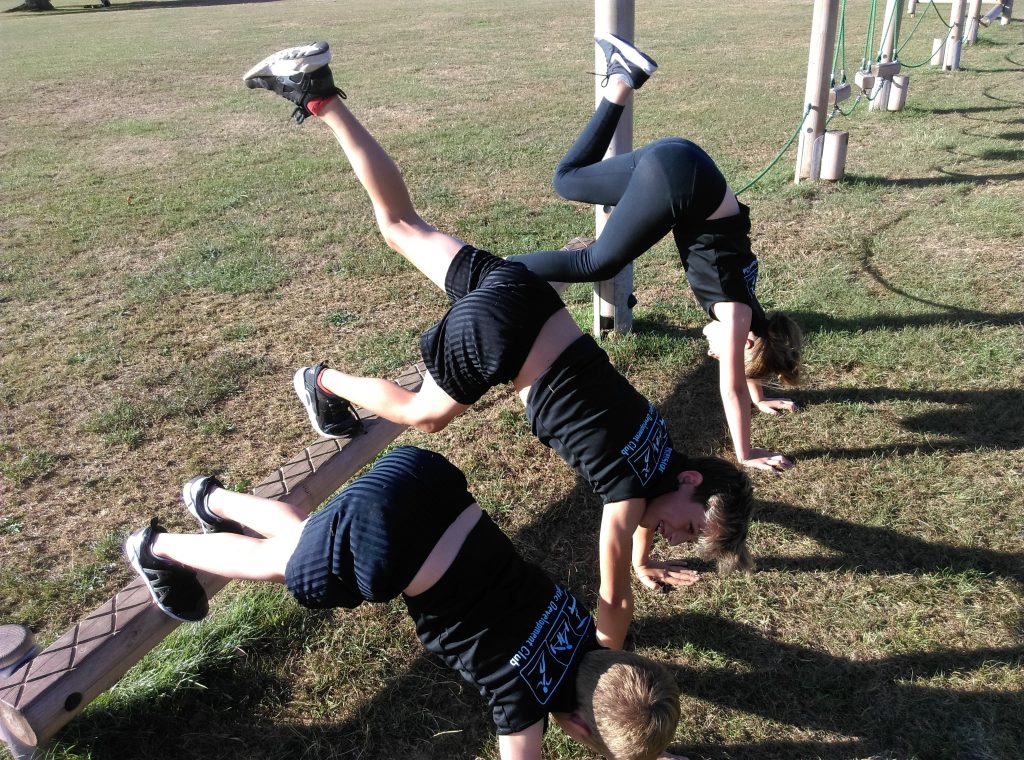
 “What is LTAD?” has been demoted to a project question for students, a scientific discussion, or a pdf issued by National Governing Bodies (NGBs).
Are you fit enough to play in the Champions League Final?

Bayern vs Chelsea: Only the fittest will prevail.
As the world’s top footballers prepare to meet in the Champions League Final this weekend, we explore what it takes to make it at the highest level.
Advances in Sports Science have revealed the highly energetic demands within the modern game, what we as coaches then do is help you get ready to play and meet those demands.
Read MoreHow to Get Stronger: Learning from the Strongest.

How Strong is Strong Enough?
This is a current “Hot topic” in the UK and Australia. “How much strength training should I do?” is a question I am often asked, or more likely “Why should I lift weights?“
Our regular readers and athletes will know the approach we take working on all aspects of the Strength Spectrum, but in different degrees according to age, stage and sport.
Read MoreOver coaching – let the kids play
Do you let your kids play?
 Do you allow them to be free spirited and learn and experiment? Do you have excessive structures and control over sport? You could be stopping your kids from developing into creative instinctive athletes.
Dumbbells or Machines? Istvan Javorek
The benefits of dumbbell training by Istvan Javorek
 Dumbbell training is generally safe.
- Does not need a large practice area.
- Is easy to teach (compared to barbell lifts).
- Can be done simultaneously and very efficiently with a large number of athletes.
- Is dynamic with a large range of motion (actually the range of motion is unlimited).
- A large range of
Read More
LTAD- USA versus UK
I had the pleasure of meeting Mauro deGennaro, Director of Athletics at Hoboken High School, last week. We were talking about his schedule of training for his football team this autumn, and he was saying that they were going to be training easy in the week because of the amount of contact in the game. How many games a season do they play?
9. That’s right 9. His 14 year old Freshman play 9 football games a season, then move to another sport next term.
Read MoreSpeed Training: co-ordination versus strength.

 Adjusting the dials for your athlete
When looking at a new athlete and their running, I try to assess whether we can improve speed through co-ordination training or strength training, or both.
I use the analogy of having two dials with the athletes: they both are necessary, but we adjust one at a time according to the athlete’s needs.
Read MoreHistory of Educational Gymnastics in British schools
Educational Gymnastics in Britain A popular conception of gymnastics today is of young girls in sparkly leotards with hair kept up in tightly bound buns. This is a relatively new concept, with gymnastics originally being an all-male outdoor pursuit. Gymnastics has originated from several different sources, but all had the underlying principle of healthy movement.…
Read MoreWhat is physical literacy?

What is Physical Literacy? Physical Literacy is a term gaining currency to help promote the need for children to be given the opportunities to move. Physical education has been squeezed out of the school curriculum, competitive sports have taken over and many children are disheartened and therefore disengaged. “Partly through lack of sufficient activity, some children…
Read More