
How to coach different learning styles
Following from Monday’s blog about coaching blind people who are visual learners. We can look in more depth at different learning styles.
The 3 learning styles
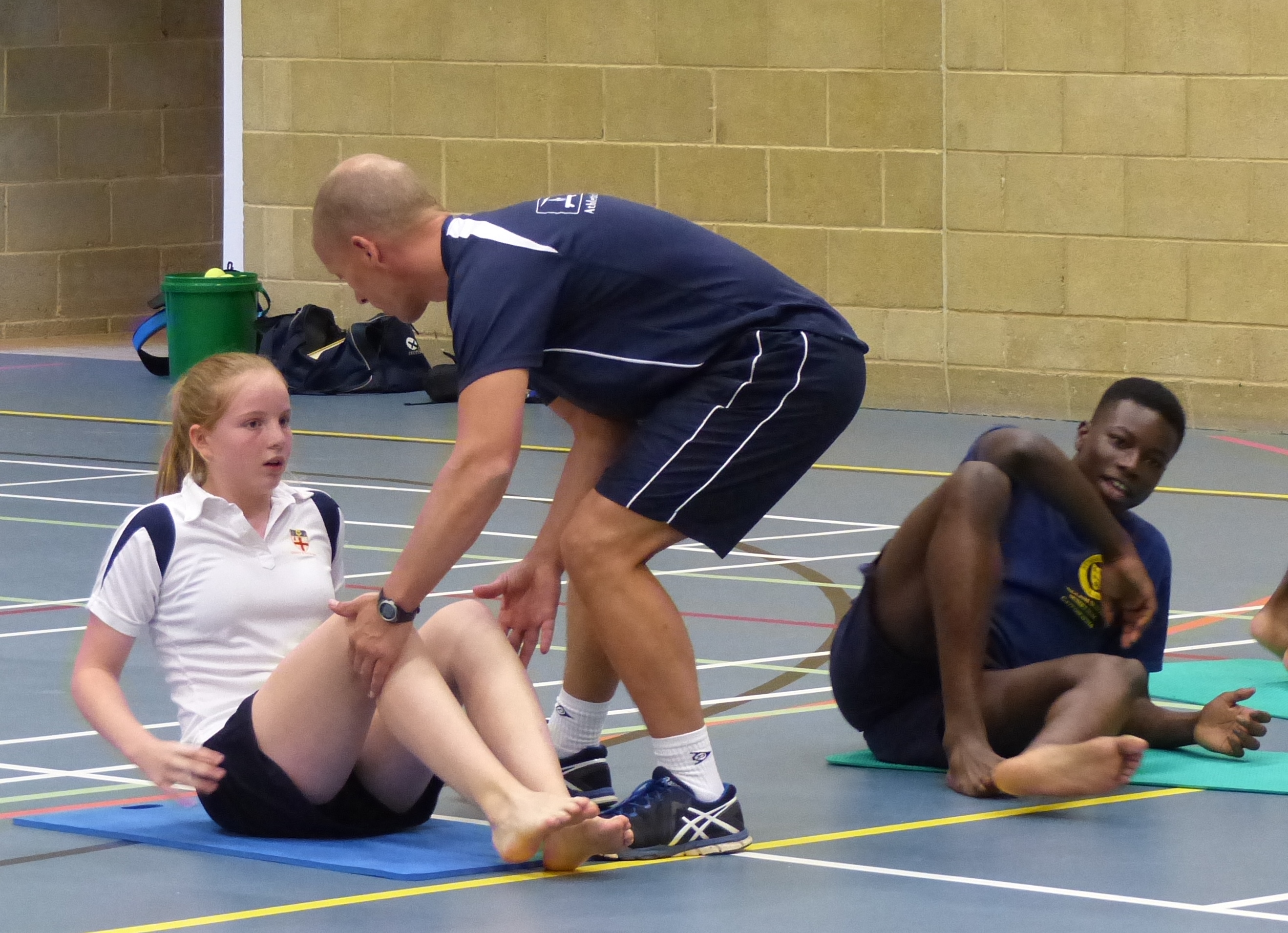
Kinesthetic learning?
If you are to believe the coaching and teaching manuals, then you might categorise people into having 3 different learning styles:
Auditory: responds to sounds and descriptions
Visual: responds to visual images and demonstrations
Kinesthetic: learns by feeling and doing and experience.
I have yet to see the research behind this (Please contribute or reference if you can find it) despite it being quoted in lots of texts.
The more I look, the less I find that there is any evidence at all behind the so -called 3 learning styles.
It makes sense that people learn differently, and as a coach I always try to use all 3. But, as I have worked with people who are blind, deaf and have learning difficulties, I have to adapt to one style more heavily with those individuals.
One of the hardest agility sessions I had to coach was with a deaf, dyslexic person and a blind person. I had to keep switching cues and demonstrations, and body position continually.
Using Cues
Working on the agility technique recently with different athletes has highlighted the need for different cues. I have yet to find the “Magic Pill” that works on everyone. The athletic ready position was adopted by the blind players using an audio cue “pounce”.
Some of the sighted rugby players needed to practice jumping, and then see how it would aid avoiding contact in application (Kinesthetic).
Hockey and netball girls were a mixed bunch, with some getting it, others not. Time is a factor in this, but I think setting out what I want to achieve with more of a “Chalk and Talk” delivery is necessary.
I find that some high achieving girls are less likely to “have a go” in case they can’t get it straight away. I have to factor that into my coaching. (The ability to try something new and make mistakes is not always encouraged or rewarded.)
Same sweet different wrapper
One of the joys (and frustrations) of coaching is finding out how to transfer the knowledge and theory of what you want to achieve into the athlete.
It is not as simple as saying “Just do it“, instead, experimenting with a variety of cues and teaching methods will hopefully allow you to get a better working relationship with your athletes, and then better results.
Here is an example of me guiding athletes through some exercises to develop spatial awareness
If you would like to host one of our coaching courses then we will be happy to arrange.
Since completing the level 1 S&C course a couple of months ago, i have been working with under 10s, 12s and 14s, in a cricket environment.
The younger ages definitely respond better to visual and kinesthetic learning.
Demand has led to the S&C part of the sessions being taken out of the cricket environment and delivered as stand alone sessions. Start in 2 weeks!
Thanks for the comments, it is always good to hear that things are being put into practice.