
Posts Tagged ‘sports science’
Two good books for the sports scientist/ sports coach/ interested reader.
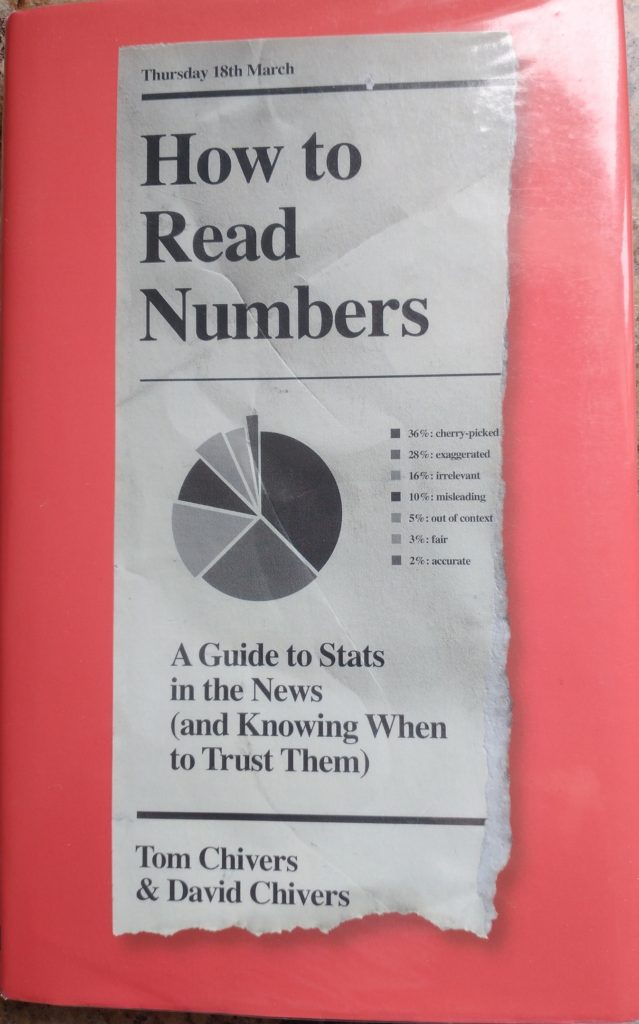
Good books about sports science and statistics are as rare as rocking horse dung. I have read two, back to back, that were both readable and informative: ‘Everest’ by Harriet Tuckey and ‘How to Read Numbers’ by Tom Chivers and David Chivers. One of the problems with sports science is that it has disappeared down…
Read MoreShould you measure your training load?

The benefits and pitfalls of using technology to monitor training. There are many different ways of measuring the work you do in training. If you are doing a single discipline sport like swimming or running or cycling then you could use a simple metric such as distance covered. But using just one ‘easy to measure’…
Read MoreSports Science for sports coaches

Sports Science for coaches Last month I attended Vern Gambetta’s GAIN conference in Houston, Texas. A great mix of practical sessions, seminars and informal idea sharing, it is my annual chance to take time out and immerse myself in learning. I shall be sharing some of the ideas and insights learnt this year. The act…
Read MoreDr Mike Joyner “Sport Science: Servant or Master?”
“Don’t get distracted by the latest and greatest” Said Dr Mike Joyner at the head of his 2nd seminar at GAIN. His talk covered four key questions we need to ask before implementing a new scientific find in our training, as well as interesting insights that he has found useful. In a discussion the evening…
Read More7 Sports Science Myths: Dr Michael Joyner (Mayo clinic)
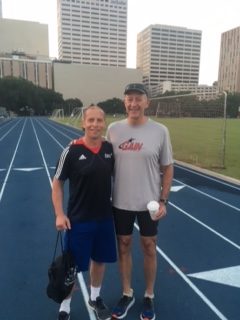
GAIN reflections Dr Mike Joyner is a faculty member of the Mayo clinic specialising in human performance physiology. I met him early on the Wednesday morning when he was attempting to roll around on the floor and get up despite his very long levers. What impressed me was his effort and concentration in attempting a…
Read MoreWhat the academics are keeping from the public
“The average number of readers of a scientific paper is…”
 Sir Martin Rees in his book “Before the beginning: our universe and others” discusses science, evidence and why information fails to get through to the public (Answer at the bottom of the page).
Bad Science
I was asked on Tuesday by an athlete who is quite new to weight lifting why I would teach cleans which are quite complex, if high pulls also work the triple extension.
The answer is that I have got a lot of time with this athlete, so can afford to work on his technique without sacrificing his work that will lead to strength and power development. The clean will then enable him to perform the jerks without using a rack.
Improper Application and Interpretation of Sports Science Statistics
The latest craze in competitive sport appears to be the use of data to aid understanding of, and improvement in sporting performance. This has resulted in a glut of material, each item claiming to have established some new result which may have useful implications in the development and performance of human athletes.
Read MoreAn Accurate Observation Is Never Wrong or What a Coach Needs to Know: Thomas Kurz
Human physiology (including its expression in human psychology) doesn’t change from decade to decade, not from century to century, hardly from millennium to millennium, so accurate observations of human nature hold true no matter their age.
Read MoreThinking Fast and Slow: Book Review
“What You See Is All There Is (WYSIAT)”
 is a common flaw we can all suffer from: our System 1 brain retrieves instant information and makes decisions based on currently activated ideas. Unfortunately it fails to allow for information outside of that.
(Those of you who watch the immense self belief and ignorance of people on “The Apprentice” may recognise this!),
Read More